Skip links

Mongolian Plateau

Mongolian Plateau

Location and Extent:
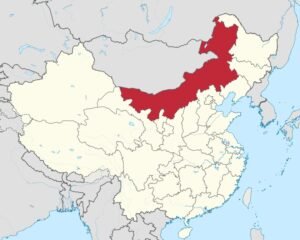
The Mongolian Plateau is located in East-Central Asia, mostly covering Mongolia, Inner Mongolia (China), and parts of Russia.
It lies between the Altai Mountains in the west and the Great Khingan Range in the east.
Area and Elevation:
The plateau spans around 3 million square kilometers.
Average elevation ranges between 1,000 to 1,500 metres above sea level.
Physical Features:
It consists of high plains, deserts, and basins.
Major physical regions include:
Gobi Desert – A cold desert spread across southern Mongolia and northern China.
Steppe Grasslands – Vast treeless grasslands ideal for grazing.
Mountain ranges – Such as the Altai, Khangai, and Khentii.
Climate:
The plateau experiences a continental climate with:
Hot summers and very cold winters.
Low annual rainfall (mostly below 250 mm).
Strong winds and dust storms are common.
Vegetation and Soil:
Vegetation includes grasses, shrubs, and drought-resistant plants.
Soil is mainly semi-arid, with poor fertility in desert zones.
Economic Activities:
The region supports pastoral nomadism, especially sheep, goat, yak, and horse rearing.
Mining is a key economic activity (coal, copper, gold).
Limited agriculture due to harsh climate and poor soil.
Human Geography:
Sparse population due to harsh climate and remote terrain.
Ulaanbaatar, the capital of Mongolia, lies on this plateau.
Home to nomadic cultures, including Mongols and other steppe tribes.
Geopolitical Significance:
Acts as a buffer zone between Russia and China.
Historically significant as the homeland of Genghis Khan and the Mongol Empire.
मंगोलियाई पठार
स्थिति और विस्तार:
मंगोलियाई पठार पूर्व-मध्य एशिया में स्थित है, जो मुख्यतः मंगोलिया, चीन के आंतरिक मंगोलिया और रूस के कुछ भागों में फैला है।
यह अल्ताई पर्वतों से लेकर ग्रेट खिंगन रेंज तक विस्तृत है।
क्षेत्रफल और ऊँचाई:
इसका क्षेत्रफल लगभग 30 लाख वर्ग किमी है।
औसत ऊँचाई 1000 से 1500 मीटर के बीच है।
भौतिक विशेषताएँ:
इसमें ऊँचे मैदान, रेगिस्तान और घाटियाँ शामिल हैं।
प्रमुख भौगोलिक क्षेत्र:
गोबी रेगिस्तान – यह ठंडा रेगिस्तान मंगोलिया और चीन में फैला है।
घास के मैदानविशाल, बिना पेड़ों के मैदान, पशुपालन के लिए उपयुक्त।
पर्वतमालाएँ – जैसे अल्ताई, खांगई और खेंती पर्वत
जलवायु:
यह क्षेत्र महाद्वीपीय जलवायु वाला है जिसमें:
गर्मियां गर्म और सर्दियां अत्यंत ठंडी होती हैं।
वार्षिक वर्षा बहुत कम (250 मिमी से भी कम)।
तेज़ हवाएं और धूल भरी आँधियाँ आम हैं।
वनस्पति और मिट्टी:
वनस्पति में घास, झाड़ियाँ और सूखा सहन करने वाले पौधे शामिल हैं।
मिट्टी अर्ध-शुष्क होती है और रेगिस्तानी भागों में उर्वरता कम होती है।
आर्थिक गतिविधियाँ:
यहाँ मुख्यतः पारंपरिक पशुपालन होता है – भेड़, बकरी, याक, और घोड़े पाले जाते हैं।
खनन प्रमुख गतिविधि है – जैसे कोयला, तांबा, और सोना
कृषि सीमित है, क्योंकि जलवायु कठोर और मिट्टी अनुपजाऊ है।
मानव भूगोल:
जनसंख्या विरल है क्योंकि जलवायु कठोर और भौगोलिक स्थिति कठिन है।
मंगोलिया की राजधानी उलानबातर इसी पठार पर स्थित है।
यह क्षेत्र मालधारी संस्कृति का घर है – जैसे मंगोल जनजातियाँ
भू-राजनीतिक महत्व:
यह क्षेत्र रूस और चीन के बीच बफर जोन का कार्य करता है।
ऐतिहासिक रूप से यह चंगेज़ खान और मंगोल साम्राज्य की जन्मभूमि है।