Definition
-
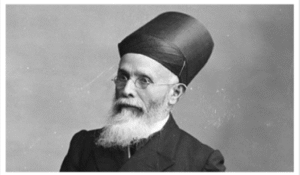
Dadabhai Naoroji first put forth the Drain of Wealth Theory in 1867.
-
It described how India’s wealth was systematically taken by Britain with no material or financial return, leading to widespread poverty, underdevelopment, and stagnation.
-
The theory established the groundwork for economic nationalism in India and became one of the first economic critiques of colonialism.
Historical Context
-
In order to pay for Indian goods prior to the Battle of Plassey in 1757, the East India Company brought gold and silver (bullion) into India.
-
This trend changed after the British took over in 1757, as India’s wealth started to move to Britain.
-
This economic injustice had already been denounced by early Indian intellectuals such as Raja Ram Mohun Roy, Bhaskar Tarakadkar, Bhau Mahajan, and Rama Krishna Viswanath.
-
Naoroji expanded on their concepts and provided its organisation and worldwide recognition.
The Contributions of Dadabhai Naoroji
-
The drain concept was initially introduced by Naoroji in his 1867 paper “England’s Debt to India.”
-
In his well-known 1901 book “Poverty and Un-British Rule in India,” he went on to develop the entire theory.
-
He calculated that approximately $12 million, or one-fourth of India’s annual revenue, was transferred to Britain.
-
He referred to British rule as “un-British” because he believed it to be both economically exploitative and unfair.
Important Aspects of the Theory
-
Every year, a significant amount of India’s wealth was sent to Britain with no repayment.
-
India was exploited in British economic dealings.
-
India was compelled to import finished goods at high prices and export raw materials at low prices, which resulted in a trade war out of balance.
-
Indian revenue, the majority of which was sent back to Britain, was used to pay extraordinarily high salaries to British military and civil officials in India.
-
Indian money was used to cover home charges like pensions, interest payments on British loans, and India Office costs in London.
-
Indian resources were further depleted when British administration and wars in other colonies were funded with money collected in India.
Reasons for the Drain
-
The goal of colonial economic policies was to advance British interests at the expense of India’s progress.
-
Indian business was hampered by the British monopoly on trade and commerce.
-
India supported Britain’s industrial development by supplying raw materials and purchasing British-made goods.
-
Indian peasants were subject to high taxes under land revenue systems like Ryotwari and Zamindari.
-
Racist policies. Indians were not allowed to hold high positions in administration or government.
-
India was responsible for paying the salaries and war expenses associated with British colonial rule.
-
Instead of being reinvested, British companies’ profits from their operations in India’s railways, plantations, and industries were sent back to Britain.
The Drain’s Procedure
-
While expensive British goods flooded Indian markets, cheap raw materials like cotton, indigo, and jute were exported.
-
A significant amount of India’s income was transferred overseas in the form of profits, pensions, and salaries.
-
Large amounts were sent to England by British officials.
-
The cost of the British military presence and imperial wars was borne by India.
-
Indian taxes were required to cover interest on loans obtained in Britain for railways and public works, raising the financial strain on Indians.
Effects of the Drain
-
India was left in poverty as a result of the ongoing wealth flight, which also fuelled frequent famines and widespread poverty.
-
The flood of low-cost British goods caused traditional industries, particularly handloom textiles, to collapse.
-
Public welfare, education, and infrastructure received very little funding.
-
Industrial development was halted and capital formation was stunted.
-
Despite India’s poverty, the country’s tax burden was much greater than Britain’s.
-
In 1886, India’s tax burden was 14.3 percent, while England’s was 6.9 percent, according to Naoroji.
-
India’s reliance on Britain for capital, technology, and goods inhibited its own creativity.
-
A strong wave of economic nationalism was also sparked by the drain theory.
-
In 1896, the Indian National Congress formally adopted the theory and applied it to reveal the British Empire’s economic injustice.
Tradition and Importance
-
India’s political demand for self-rule was economically supported by the Drain of Wealth Theory.
-
It provided a data-driven and factual defence against colonial exploitation.
-
Naoroji’s theory was developed by nationalist economists such as M.G. Ranade, R.C. Dutt, and Gopal Krishna Gokhale.
-
Some of Naoroji’s concerns were recognised when he was appointed to the Royal Commission on Indian Expenditure in 1896.
-
The theory continues to be a seminal contribution to anti-colonial thought and was instrumental in turning India’s freedom struggle from a political to an economic movement.
In Conclusion
-
An innovative economic critique of British colonialism was Dadabhai Naoroji’s Drain of Wealth Theory.
-
It clarified that India’s poverty was a direct result of external factors rather than internal flaws of exploitation by foreigners.
-
The theory gave the Indian freedom movement a strong and legitimate voice while exposing the unfair economic system of British rule.
-
It influenced the economic justifications for India’s independence and turned into a cornerstone of nationalist ideology.
ड्रेन ऑफ वेल्थ थ्योरी :
परिभाषा
दादाभाई नौरोजी ने 1867 में सबसे पहले ड्रेन ऑफ वेल्थ थ्योरी (धन निकासी सिद्धांत) प्रस्तुत की थी।
इसमें बताया गया था कि कैसे भारत की संपत्ति को व्यवस्थित रूप से ब्रिटेन ले जाया गया, बिना किसी भौतिक या वित्तीय वापसी के, जिससे व्यापक गरीबी, अविकास और ठहराव उत्पन्न हुआ।
इस सिद्धांत ने भारत में आर्थिक राष्ट्रवाद की नींव रखी और उपनिवेशवाद की पहली आर्थिक आलोचनाओं में से एक बन गई।
ऐतिहासिक संदर्भ
1757 के प्लासी युद्ध से पहले, ईस्ट इंडिया कंपनी भारतीय वस्तुओं का भुगतान करने के लिए भारत में सोना और चांदी (बुलियन) लाती थी।
1757 में ब्रिटिश नियंत्रण के बाद यह प्रवृत्ति बदल गई और भारत की संपत्ति ब्रिटेन की ओर बहने लगी।
इस आर्थिक अन्याय की आलोचना पहले ही राजा राम मोहन राय, भास्कर तारकदकर, भाऊ महाजन और रामकृष्ण विश्वनाथ जैसे भारतीय बुद्धिजीवियों द्वारा की जा चुकी थी।
नौरोजी ने उनके विचारों को आगे बढ़ाया और उन्हें एक संगठित रूप और वैश्विक पहचान दी।
दादाभाई नौरोजी का योगदान
धन निकासी की अवधारणा को सबसे पहले नौरोजी ने 1867 में अपने लेख “इंग्लैंड्स डेब्ट टू इंडिया” में पेश किया।
1901 में प्रकाशित अपनी प्रसिद्ध पुस्तक “पावर्टी एंड अन-ब्रिटिश रूल इन इंडिया” में उन्होंने इस सिद्धांत को पूर्ण रूप से विकसित किया।
उन्होंने अनुमान लगाया कि लगभग 12 मिलियन डॉलर, यानी भारत की वार्षिक आय का एक-चौथाई हिस्सा, ब्रिटेन को स्थानांतरित किया गया।
उन्होंने ब्रिटिश शासन को “अन-ब्रिटिश” कहा क्योंकि वे इसे आर्थिक रूप से शोषणकारी और अन्यायपूर्ण मानते थे।
सिद्धांत के मुख्य पहलू
-
हर साल भारत की एक बड़ी संपत्ति ब्रिटेन भेजी जाती थी, बिना किसी प्रतिफल के।
-
ब्रिटेन के आर्थिक लेनदेन में भारत का शोषण किया गया।
-
भारत को ऊँचे दामों पर तैयार माल आयात करने और कम दामों पर कच्चा माल निर्यात करने के लिए मजबूर किया गया, जिससे व्यापार असंतुलित हो गया।
-
अधिकांश भारतीय राजस्व, जो ब्रिटेन भेजा जाता था, भारत में कार्यरत ब्रिटिश सैन्य और सिविल अधिकारियों की अत्यधिक वेतन भुगतान के लिए उपयोग किया गया।
-
पेंशन, ऋणों पर ब्याज और लंदन स्थित इंडिया ऑफिस की लागत जैसे घरेलू खर्चों को पूरा करने के लिए भारतीय धन का उपयोग किया गया।
-
अन्य उपनिवेशों में ब्रिटिश प्रशासन और युद्धों के खर्च के लिए भी भारतीय संसाधनों का उपयोग किया गया।
धन निकासी के कारण
-
औपनिवेशिक आर्थिक नीतियों का उद्देश्य भारत की प्रगति के बजाय ब्रिटिश हितों को आगे बढ़ाना था।
-
व्यापार और वाणिज्य पर ब्रिटिश एकाधिकार के कारण भारतीय व्यवसाय बाधित हुए।
-
भारत ने ब्रिटेन की औद्योगिक प्रगति में कच्चा माल देकर और ब्रिटिश उत्पाद खरीदकर सहयोग किया।
-
रैयतवारी और जमींदारी जैसे भूमि राजस्व प्रणालियों के तहत भारतीय किसानों पर भारी कर लगाए गए।
-
नस्लीय नीतियाँ—भारतीयों को प्रशासन या सरकार में उच्च पदों पर नियुक्ति नहीं दी जाती थी।
-
ब्रिटिश उपनिवेशवादी शासन से जुड़े वेतन और युद्ध व्यय का भुगतान भारत द्वारा किया जाता था।
-
ब्रिटिश कंपनियों के रेलवे, बागान और उद्योगों से प्राप्त मुनाफे को भारत में पुनर्निवेश करने के बजाय ब्रिटेन भेजा गया।
धन निकासी की प्रक्रिया
-
ब्रिटिश महंगे माल भारतीय बाजारों में भर गए, जबकि सस्ता कच्चा माल जैसे कपास, नील और जूट निर्यात कर दिया गया।
-
लाभ, पेंशन और वेतन के रूप में भारत की आय का एक बड़ा हिस्सा विदेश स्थानांतरित किया गया।
-
ब्रिटिश अधिकारियों द्वारा बड़ी मात्रा में धन इंग्लैंड भेजा गया।
-
ब्रिटिश सेना की उपस्थिति और साम्राज्यवादी युद्धों की लागत भारत से वहन की गई।
-
रेलवे और सार्वजनिक निर्माण कार्यों के लिए ब्रिटेन से लिए गए ऋणों पर ब्याज का भुगतान भारतीय करों से किया गया, जिससे भारतीयों पर वित्तीय बोझ और बढ़ गया।
धन निकासी के प्रभाव
-
निरंतर संपत्ति पलायन ने भारत को गरीबी में डाल दिया, जिससे अक्सर अकाल और व्यापक गरीबी उत्पन्न हुई।
-
सस्ते ब्रिटिश माल की बाढ़ के कारण पारंपरिक उद्योग, विशेष रूप से हथकरघा वस्त्र उद्योग, बर्बाद हो गया।
-
जनकल्याण, शिक्षा और बुनियादी ढांचे के लिए बहुत कम धन उपलब्ध कराया गया।
-
औद्योगिक विकास रुक गया और पूंजी निर्माण अवरुद्ध हो गया।
-
गरीबी के बावजूद, भारत पर कर का बोझ ब्रिटेन से कहीं अधिक था:
-
1886 में भारत का कर भार 14.3% था, जबकि इंग्लैंड का 6.9%।
-
-
पूंजी, प्रौद्योगिकी और माल के लिए भारत की ब्रिटेन पर निर्भरता ने उसकी रचनात्मकता को रोका।
-
ड्रेन थ्योरी ने आर्थिक राष्ट्रवाद की एक मजबूत लहर को जन्म दिया।
-
1896 में भारतीय राष्ट्रीय कांग्रेस ने इस सिद्धांत को औपचारिक रूप से स्वीकार किया और इसका उपयोग ब्रिटिश साम्राज्य की आर्थिक अन्याय को उजागर करने के लिए किया।
परंपरा और महत्व
-
ड्रेन ऑफ वेल्थ थ्योरी ने भारत की राजनीतिक स्वराज्य की मांग को आर्थिक आधार दिया।
-
इसने उपनिवेशीय शोषण के खिलाफ एक तथ्यों पर आधारित, आंकड़ों से समर्थित तर्क प्रस्तुत किया।
-
नौरोजी के सिद्धांत को एम.जी. रानाडे, आर.सी. दत्त और गोपाल कृष्ण गोखले जैसे राष्ट्रवादी अर्थशास्त्रियों ने आगे बढ़ाया।
-
1896 में जब उन्हें रॉयल कमीशन ऑन इंडियन एक्सपेंडिचर में नियुक्त किया गया, तो उनके कुछ मुद्दों को आधिकारिक मान्यता मिली।
-
यह सिद्धांत आज भी उपनिवेशवाद-विरोधी विचारधारा में एक महत्वपूर्ण योगदान माना जाता है और भारत के स्वतंत्रता संग्राम को केवल राजनीतिक से आर्थिक आंदोलन में बदलने में अहम भूमिका निभाता है।
निष्कर्ष
दादाभाई नौरोजी की ड्रेन ऑफ वेल्थ थ्योरी ब्रिटिश उपनिवेशवाद की एक नवोन्मेषी आर्थिक आलोचना थी।
इसने स्पष्ट किया कि भारत की गरीबी आंतरिक कारणों के बजाय विदेशी शोषण का परिणाम थी।
इस सिद्धांत ने भारत के स्वतंत्रता संग्राम को एक मजबूत और वैध आवाज दी और ब्रिटिश शासन की अन्यायपूर्ण आर्थिक व्यवस्था को उजागर किया।
इसने भारत की स्वतंत्रता की आर्थिक मांगों को आकार दिया और राष्ट्रवादी विचारधारा की आधारशिला बन गया।