Why in News?
-
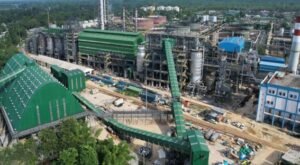
On September 14, 2025, Prime Minister Narendra Modi inaugurated India’s first bamboo-based ethanol plant at Golaghat, Assam.
-
This is the world’s first bamboo-based ethanol facility, marking a milestone in India’s green energy transition and rural development.
Introduction
-
India is advancing its clean energy strategy, focusing on ethanol blending.
-
Until now, ethanol production mainly relied on sugarcane and maize.
-
The Golaghat plant introduces bamboo as a feedstock:
-
Combines technological innovation with rural livelihood opportunities.
-
Special focus on the Northeast region.
-
Working of Bamboo-Based Ethanol Plant
-
Feedstock & Processing
-
-
Bamboo is a lignocellulosic biomass containing cellulose and hemicellulose.
-
Steps: Pre-treatment → Hydrolysis → Fermentation → Distillation.
-
-
Co-Products & Zero-Waste Approach
-
-
By-products: acetic acid, furfural, liquid CO₂.
-
Lignin-rich residues used for power → plant is self-sufficient.
-
Advantages over Traditional Ethanol
-
Non-food biomass → does not compete with food crops.
-
Sustainable and fast-regenerating resource.
-
Supports local farmers and tribal communities in Northeast India.
News Summary – Key Outputs
-
Uses 5 lakh tonnes bamboo annually.
-
Annual production capacity:
-
48,900 MT ethanol
-
11,000 MT acetic acid
-
19,000 MT furfural
-
31,000 MT liquid CO₂
-
-
Boosts Assam’s rural economy by ₹200 crore annually.
-
Foundation laid for a ₹7,230 crore polypropylene plant at Numaligarh Refinery.
Significance of the Project
-
Energy Security: Reduces oil imports.
-
Rural Development: Enhances farmer and tribal incomes.
-
Green Economy: Reduces emissions, supports climate goals.
-
Regional Growth: Strengthens Assam’s role in industrialisation.
बाँस आधारित एथेनॉल संयंत्र: भारत की हरित ऊर्जा में मील का पत्थर
क्यों खबरों में?
-
14 सितंबर 2025 को प्रधानमंत्री नरेंद्र मोदी ने असम के गोलाघाट में भारत के पहले बाँस आधारित एथेनॉल संयंत्र का उद्घाटन किया।
-
यह विश्व का पहला बाँस आधारित एथेनॉल संयंत्र है, जो भारत के हरित ऊर्जा संक्रमण और ग्रामीण विकास में एक बड़ी उपलब्धि है।
परिचय
-
भारत अपनी स्वच्छ ऊर्जा रणनीति को आगे बढ़ा रहा है, जिसमें एथेनॉल मिश्रण पर जोर है।
-
अब तक एथेनॉल उत्पादन मुख्य रूप से गन्ना और मक्का पर आधारित था।
-
गोलाघाट संयंत्र ने बाँस को फीडस्टॉक के रूप में प्रस्तुत किया:
-
तकनीकी नवाचार और ग्रामीण आजीविका के अवसरों का संगम।
-
विशेषकर पूर्वोत्तर क्षेत्र पर ध्यान।
-
बाँस आधारित एथेनॉल संयंत्र का कार्य
-
फीडस्टॉक और प्रोसेसिंग
-
-
बाँस एक लिग्नोसेलुलोसिक बायोमास है जिसमें सेलुलोज और हेमिसेलुलोज होता है।
-
चरण: प्री-ट्रीटमेंट → हाइड्रोलिसिस → किण्वन → आसवन।
-
-
सह-उत्पाद और शून्य-अपशिष्ट दृष्टिकोण
-
-
सह-उत्पाद: एसीटिक एसिड, फर्फुरल, तरल CO₂।
-
लिग्निन-समृद्ध अवशेष बिजली उत्पादन में उपयोग → संयंत्र आत्मनिर्भर।
-
पारंपरिक एथेनॉल पर लाभ
-
गैर-खाद्य बायोमास → खाद्य फसलों से प्रतिस्पर्धा नहीं।
-
टिकाऊ और तेजी से पुनर्जीवित होने वाला संसाधन।
-
पूर्वोत्तर भारत के किसानों और जनजातीय समुदायों को समर्थन।
समाचार सार – प्रमुख उत्पादन
-
प्रतिवर्ष 5 लाख टन बाँस का उपयोग।
-
वार्षिक उत्पादन क्षमता:
-
48,900 मीट्रिक टन एथेनॉल
-
11,000 मीट्रिक टन एसीटिक एसिड
-
19,000 मीट्रिक टन फर्फुरल
-
31,000 मीट्रिक टन तरल CO₂
-
-
असम की ग्रामीण अर्थव्यवस्था को प्रतिवर्ष ₹200 करोड़ का प्रोत्साहन।
-
नुमालीगढ़ रिफाइनरी में ₹7,230 करोड़ की पॉलीप्रोपलीन संयंत्र की नींव रखी गई।
परियोजना का महत्व
-
ऊर्जा सुरक्षा: तेल आयात में कमी।
-
ग्रामीण विकास: किसानों और जनजातीय आय में वृद्धि।
-
हरित अर्थव्यवस्था: उत्सर्जन में कमी, जलवायु लक्ष्यों का समर्थन।
-
क्षेत्रीय विकास: असम की औद्योगिकीकरण में भूमिका को मजबूत करना।