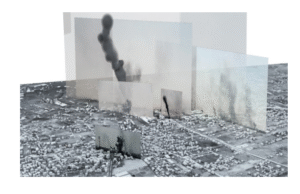
What is Necropolitics?
-
Definition
-
-
Power of the state (or other authorities) to decide who lives and who must die
-
Goes beyond physical killing — includes neglect, abandonment, and systemic violence
-
-
Coined by
-
-
Achille Mbembe (Cameroonian historian)
-
First introduced in a 2003 essay
-
Expanded in his book Necropolitics (2019)
-
-
Builds on
-
-
Michel Foucault’s concept of Biopolitics
-
Real-world Example
-
Bengal Famine (1943)
-
Millions died not due to food shortage
-
But because British policies prioritised imperial needs over Indian lives
-
How Does Necropolitics Operate?
-
Not always through direct violence
-
-
Works invisibly — through systems, policies, and silence
-
-
Key Features Identified by Mbembe
-
-
State terror and suppression
-
Surveillance, arrests, and killings used to crush dissent — even in democracies
-
-
Collaboration with non-state actors
-
Governments align with militias, gangs — blurring legal and illegal violence
-
-
Enemy creation as governance
-
Ruling powers create enemies (communities, groups) to blame or control
-
-
War and terror as economies
-
Industries profit from violence — arms trade, surveillance, security sectors
-
-
Displacement of communities
-
Development projects or conflict zones force poor people out of homes
-
-
Varied forms of death
-
Through torture, hunger, drone strikes, healthcare denial
-
-
Moral justification of violence
-
Use of ideologies (nationalism, religion, security) to justify exclusion or harm
-
-
Concepts: “Living Dead” and “Death Worlds”
-
Living Dead
-
-
People alive biologically, but stripped of political, legal, and social recognition
-
They face degrading conditions — a slow, daily death
-
Example
-
India’s COVID-19 lockdown
-
Migrant workers abandoned without food, shelter, or transport
-
Many died not from COVID, but from the state’s neglect
-
-
-
-
Death Worlds
-
-
Zones where people live outside the law, protection, or dignity
-
The State of Exception
-
Giorgio Agamben’s Idea
-
-
Temporary suspension of law by governments in the name of protection
-
-
Mbembe’s Extension
-
-
For some groups (refugees, minorities, slum dwellers), this “exception” becomes permanent
-
They are governed by management and control — not by justice
-
Necropolitics in Everyday Life
-
Not just war zones — it’s all around us
-
-
Works through routine neglect, policy choices, and structural injustice
-
-
Everyday Examples
-
-
Forced sterilisation of Dalit and Adivasi women — bodies controlled without consent
-
Police profiling of Muslims or Dalits — targeted surveillance
-
Neglect of marginalised areas — refugees, slums, tribal regions denied basic rights
-
Global silence on mass killings
-
E.g., civilians killed in Gaza while the world looks away and carries on
-
-
Final Thought
-
In a necropolitical world, mere survival is not enough
-
The goal must be a dignified life
-
One that is valued, protected, and mourned if lost
-
Necropolitics :
Necropolitics क्या है?
-
परिभाषा
-
-
राज्य (या अन्य प्राधिकरणों) की यह शक्ति कि किसे जीने दिया जाए और किसे मरना है
-
सिर्फ शारीरिक हत्या नहीं — उपेक्षा, परित्याग और संरचनात्मक हिंसा भी शामिल
-
-
किसने गढ़ा
-
-
अचिलेम बेम्बे (कैमरून के इतिहासकार)
-
पहली बार 2003 के एक निबंध में पेश किया गया
-
अपनी पुस्तक Necropolitics (2019) में और विस्तार से बताया
-
-
आधार
-
-
मिशेल फूको के Biopolitics के सिद्धांत पर आधारित
-
वास्तविक उदाहरण
-
बंगाल अकाल (1943)
-
करोड़ों लोगों की मौत खाद्य संकट की वजह से नहीं हुई
-
बल्कि ब्रिटिश नीतियों ने साम्राज्यिक ज़रूरतों को भारतीय जीवन से ऊपर रखा
-
Necropolitics कैसे काम करता है?
-
सिर्फ प्रत्यक्ष हिंसा से नहीं
-
-
यह अदृश्य रूप से काम करता है — नीतियों, व्यवस्थाओं और चुप्पी के ज़रिए
-
-
बेम्बे द्वारा पहचानी गई मुख्य विशेषताएं
-
-
राज्य दहशत और दमन
-
निगरानी, गिरफ्तारियाँ और हत्याएं — विरोध को दबाने के लिए, यहाँ तक कि लोकतंत्रों में भी
-
-
गैर-राज्य संगठनों के साथ गठजोड़
-
सरकारें मिलिशिया, गैंग्स से मिलकर काम करती हैं — वैध और अवैध हिंसा की रेखा धुंधली हो जाती है
-
-
शासन के लिए दुश्मनों का निर्माण
-
सत्ताधारी शक्तियाँ समुदायों या समूहों को दुश्मन बनाकर शासन करती हैं
-
-
युद्ध और आतंक को उद्योग बनाना
-
हथियार व्यापार, निगरानी, सुरक्षा क्षेत्रों से उद्योगों को मुनाफा होता है
-
-
समुदायों का विस्थापन
-
विकास परियोजनाएं या संघर्ष क्षेत्र — गरीबों को उनके घरों से बाहर कर देते हैं
-
-
मृत्यु के कई रूप
-
यातना, भूख, ड्रोन हमले, स्वास्थ्य सुविधा की कमी के ज़रिए
-
-
हिंसा का नैतिक औचित्य
-
राष्ट्रवाद, धर्म, सुरक्षा जैसे विचारों का प्रयोग कर बहिष्कार या नुकसान को सही ठहराना
-
-
“Living Dead” और “Death Worlds” की अवधारणाएं
-
Living Dead
-
जीवित तो हैं, लेकिन राजनीतिक, कानूनी और सामाजिक पहचान से वंचित
-
उन्हें अपमानजनक स्थितियों में रहना पड़ता है — एक धीमी, रोज़मर्रा की मौत
-
उदाहरण
-
-
-
-
भारत का COVID-19 लॉकडाउन
-
प्रवासी मजदूरों को भोजन, आश्रय या परिवहन के बिना छोड़ दिया गया
-
कई की मौत COVID से नहीं, बल्कि राज्य की उपेक्षा से हुई
-
-
-
-
Death Worlds
-
-
वे क्षेत्र जहां लोग कानून, सुरक्षा और गरिमा के दायरे से बाहर रहते हैं
-
The State of Exception
-
जॉर्जियो अगाम्बेन की अवधारणा
-
-
सरकारें सुरक्षा के नाम पर अस्थायी रूप से कानून को निलंबित कर देती हैं
-
-
बेम्बे का विस्तार
-
-
कुछ समूहों के लिए (शरणार्थी, अल्पसंख्यक, झुग्गीवासी) यह “अपवाद” स्थायी बन जाता है
-
उन्हें न्याय नहीं, बल्कि प्रबंधन और नियंत्रण से शासित किया जाता है
-
Necropolitics रोज़मर्रा की ज़िंदगी में
-
सिर्फ युद्ध क्षेत्र नहीं — यह हमारे चारों ओर है
-
-
नियमित उपेक्षा, नीति निर्णय और संरचनात्मक अन्याय के माध्यम से कार्य करता है
-
-
रोज़मर्रा के उदाहरण
-
-
दलित और आदिवासी महिलाओं की जबरन नसबंदी — बिना सहमति के शरीर पर नियंत्रण
-
मुसलमानों या दलितों की पुलिस द्वारा निगरानी — लक्षित प्रोफाइलिंग
-
हाशिए पर पड़े क्षेत्रों की उपेक्षा — शरणार्थियों, झुग्गियों, जनजातीय इलाकों को बुनियादी अधिकारों से वंचित रखना
-
जनसंहारों पर वैश्विक चुप्पी
-
जैसे ग़ाज़ा में नागरिकों की हत्या — और दुनिया इसे नजरअंदाज करती है
-
-
अंतिम विचार
-
एक नेक्रोपॉलिटिकल दुनिया में, सिर्फ ज़िंदा रहना ही काफी नहीं है |
-
लक्ष्य होना चाहिए एक गरिमामय जीवन |
-
ऐसा जीवन जिसे महत्व मिले, जिसकी सुरक्षा हो, और जिसकी मृत्यु पर शोक मनाया जाए |
-